Carpet cleaning Wimbledon Village SW19 insider tips for owners
If you own a home in Wimbledon Village or nearby SW19, carpet care can feel oddly high-stakes. One muddy weekday, one glass of red wine, one pet dash through the hallway, and suddenly the room looks tired. The good news? Carpet cleaning Wimbledon Village SW19 insider tips for owners are less about fuss and more about timing, the right method, and a bit of local know-how. In this guide, you'll find practical advice that helps carpets stay cleaner for longer, look better between visits, and avoid the mistakes that quietly make stains worse.
Whether you manage a family home, a rental, or a period property with older fibres and delicate finishes, the aim is the same: protect the carpet, protect the room, and make cleaning work harder for you. Let's get into the details.
Why Carpet cleaning Wimbledon Village SW19 insider tips for owners Matters
Wimbledon Village has its own rhythm. People come and go with wet shoes in winter, fine dust gathers quietly in sunny rooms, and many homes feature carpets that are expensive to replace and worth preserving. In that setting, carpet cleaning is not just a cosmetic job. It is part of maintaining the home properly.
Owners often notice the same pattern: the carpet doesn't look "dirty" all at once. It slowly loses brightness. Traffic lanes appear near sofas and hallways. A faint smell hangs around after a spill. And because the change is gradual, it's easy to leave it too long. Truth be told, that's when cleaning becomes harder and more expensive.
There's also the local property angle. Period homes, newer family houses, and high-use rental properties each put different demands on carpet fibres. A wool carpet in a sitting room needs a gentler touch than a synthetic stair runner in a busy hallway. If you understand the difference, you can avoid damage and get more value from every clean.
Expert takeaway: In SW19, carpet care works best when you treat it as maintenance, not rescue work. Prevent build-up, deal with spills quickly, and choose the right cleaning method for the fibre type.
If you're comparing services, it helps to understand the basics first. The main carpet cleaning service is usually the starting point, but other treatments can matter too, especially if your home also needs targeted stain removal or support with pet-related issues through pet stain and odour removal.
How Carpet cleaning Wimbledon Village SW19 insider tips for owners Works
At a practical level, professional carpet cleaning is a controlled process. It usually begins with inspection, then vacuuming or dry soil removal, then spot treatment, then the main clean, and finally drying and finishing. That sounds simple, but the detail matters. A small adjustment in water temperature, chemistry, dwell time, or agitation can change the result completely.
For most homes, there are three broad approaches. Hot water extraction is often called steam cleaning in everyday conversation, though the process is not literally just steam. It uses hot water and cleaning solution to loosen dirt, then extracts the moisture and debris. Low-moisture methods use less water and can suit some fabrics or time-sensitive situations. Dry compound methods may also be useful in certain cases where quick turnaround is essential.
A good clean is not about soaking carpet and hoping for the best. That is how wicking happens, where hidden dirt or residue rises back to the surface as the carpet dries. You may think the stain has vanished, and then, annoyingly, it reappears the next morning. A proper operator avoids that by using the right amount of solution and controlled extraction.
For many owners, the choice between methods depends on pile type, room use, drying time, and stain history. A busy family lounge, for example, may benefit from a more restorative wash. A guest room that needs to be ready later the same day may call for a quicker-drying option. One size does not fit all. Never has, really.
If your home has delicate soft furnishings nearby, it can also make sense to pair carpet work with upholstery cleaning or sofa cleaning so the room feels consistent rather than half-finished.
Key Benefits and Practical Advantages
Clean carpets do more than look nice. They change how a room feels underfoot, how fresh it smells, and how well the whole home is maintained. In a polished neighbourhood like Wimbledon Village, that matters more than people sometimes admit.
- Better appearance: Colours look richer, patterns become visible again, and rooms feel brighter.
- Improved comfort: Clean fibres feel softer and more pleasant in everyday use.
- Reduced odours: Spills, pet smells, and trapped household odours are easier to manage.
- Longer carpet life: Removing grit and soil helps reduce fibre wear from foot traffic.
- Cleaner indoor environment: Regular maintenance can help reduce the build-up of dust and debris at floor level.
- Better property presentation: Useful for owners preparing for guests, viewings, or tenancy changes.
There is also a quieter benefit: peace of mind. When carpets are looked after, you stop noticing them in the wrong way. No nagging patch in the hallway. No anxious glance at the stair runner when guests arrive. Just a room that works.
Owners often find that a good clean makes the rest of the house look tidier without doing anything else. It's a bit unfair, actually, how much carpets influence the overall impression of a space.
Who This Is For and When It Makes Sense
This guide is for homeowners, landlords, property managers, and anyone responsible for carpets in SW19. It is especially useful if you have one of these situations:
- busy hallways or stairs with visible traffic lanes
- light-coloured carpet that shows marks quickly
- pets, children, or frequent guests
- older carpets you want to preserve rather than replace
- a move-in or move-out clean to organise
- stubborn stains that plain vacuuming will not shift
- period properties where materials may need a gentler method
If you are wondering whether to clean now or wait, ask yourself a simple question: are you reacting to a visible problem, or maintaining the carpet before it becomes one? The second approach is usually cheaper in the long run.
Season matters too. Winter brings damp shoes and salt residue. Spring often reveals the full picture once the darker months are gone. Late summer can be a sensible window for a deeper clean because rooms dry faster and windows can stay open more easily. Not glamorous, but very practical.
If the carpet is part of a larger refresh, many owners also look at rug cleaning for loose floor coverings or curtain cleaning to remove dust and odour from the room as a whole.
Step-by-Step Guidance
Here is the most sensible way to approach carpet cleaning in a Wimbledon Village home, whether you are tackling it yourself or booking a professional service.
- Identify the fibre and pile. Wool, blended fibres, and synthetic carpets behave differently. If you are unsure, check the manufacturer details or test a hidden area carefully.
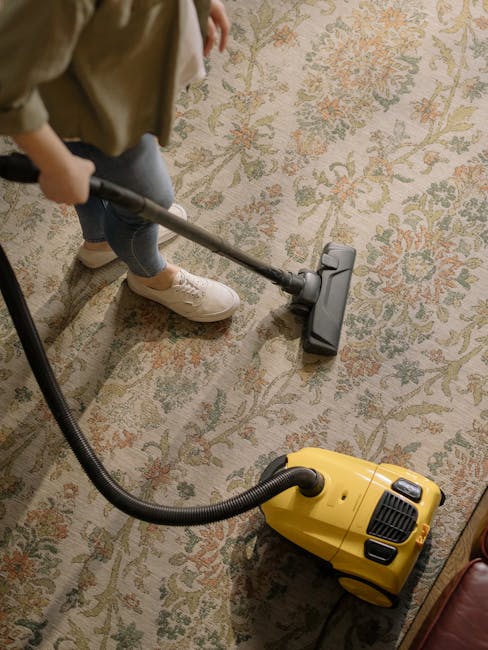
- Vacuum thoroughly. Dry soil is the enemy of a good finish. Take your time around edges, under furniture fronts, and along hallways.
- Spot test first. Any cleaning product should be tried in an inconspicuous corner before full use. Better cautious than sorry.
- Treat stains separately. Protein spills, food marks, pet accidents, and greasy residues often need different approaches. One cleaner for all is a bad shortcut.
- Apply the main cleaning method. Use the least aggressive method that achieves the result. More water is not automatically better.
- Extract moisture properly. Residue left behind can attract dirt and create stiff patches.
- Dry the carpet well. Ventilation helps. So does avoiding heavy foot traffic until the carpet is ready.
- Inspect after drying. Some marks only appear once the carpet dries fully. If needed, deal with them promptly.
A useful rule: don't chase every stain with stronger chemicals straight away. Start mild, then step up if needed. The carpet is not the place to improvise like a weekend cook with three unknown spices and a prayer.
For deeper restoration, some owners prefer steam carpet cleaning, while others want a broader service that handles fibres, stains, and drying carefully from the start. If that sounds like you, reviewing pricing and quotes can help set expectations before booking.
Expert Tips for Better Results
Here are the insider-level details that make a real difference.
1) Deal with spills immediately, but gently
Blot, don't rub. Rubbing spreads the spill deeper into the pile and can rough up the fibres. A clean white cloth works well. Use a small amount of water first if appropriate, then follow with a suitable spot treatment if needed.
2) Know the difference between surface marks and fibre damage
Some dark patches are dirt sitting in the pile. Others are dye transfer, wear, or permanent fibre change. If a mark doesn't shift with sensible cleaning, stop before you make it worse.
3) Move furniture if you can, but not recklessly
Light furniture can often be shifted for a more even clean. Heavy items, especially on old floors, need care. Felt pads and protection matter. One scratched floor under a sofa can undo the whole job.
4) Watch the drying time
Drying isn't a throwaway detail. In a cool room or during damp weather, carpets can take longer. Good ventilation, airflow, and measured cleaning all help. Leaving a carpet too wet is asking for trouble.
5) Match the clean to the room
A formal sitting room may need a different approach from a boot room or family hallway. Think about how the room is used, not just how it looks today.
To be fair, the best results often come from restraint. Not the dramatic approach. Not the "let's flood it and see" approach. Just careful, consistent work.
If pets are part of daily life, it is worth planning ahead. A combined plan for carpets and mattress cleaning can help a home feel fresher overall, especially after a long winter or a busy house move.
Common Mistakes to Avoid
Most carpet problems start with a well-meant mistake. The usual suspects are easy to spot once you know them.
- Using too much water: This can lead to slow drying, reappearing stains, and residue build-up.
- Scrubbing aggressively: It can distort fibres and make the affected area look more obvious.
- Skipping vacuuming: Soil left on the carpet becomes mud during wet cleaning. Not ideal.
- Using random household products: Some cleaners bleach, set stains, or leave sticky residue.
- Cleaning only the visible patch: Spot cleaning alone can create a halo or patchy finish.
- Ignoring fibre type: Wool, synthetic, and mixed fibres react differently.
- Walking on damp carpet too soon: That can re-soil the area and flatten the pile.
One more subtle mistake: forgetting that the room itself contributes to carpet wear. Dusty curtains, tired upholstery, and dirty entry points all feed the problem. A carpet is rarely the only part of the story.
Tools, Resources and Recommendations
You don't need a van full of gadgets to look after carpets properly, but a few sensible tools help a lot.
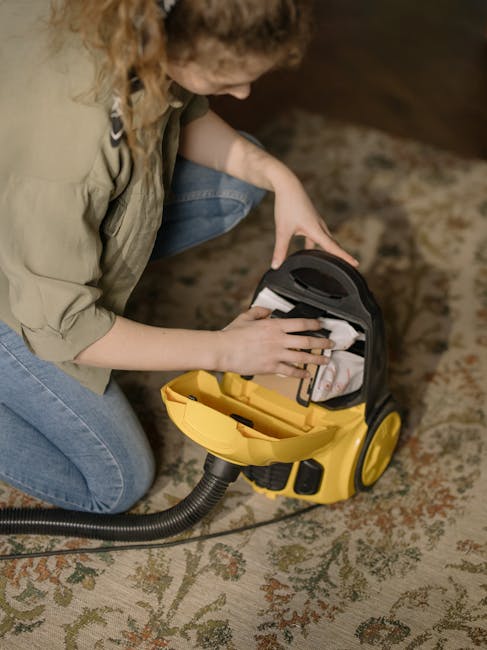
- Vacuum with strong suction and a clean filter: Basic, yes, but absolutely central.
- White microfibre cloths: Helpful for blotting spills without spreading dye.
- Gentle spot treatment: Choose something suited to carpet fibres, not just any cleaning spray from under the sink.
- Soft brush or carpet rake: Useful for lifting pile after cleaning.
- Fans or ventilation: Very handy for speeding up dry time.
- Protective pads under furniture: Helps prevent dents and friction marks.
When comparing service options, look beyond the headline promise. Ask what the process includes, whether pre-treatment is used, how drying is handled, and what happens with tricky stains. The answer tells you more than a shiny pitch ever will.
It can also help to review service pages that explain related tasks such as stain treatment and upholstery care, because room-wide cleaning often gives a better finish than treating one item in isolation.
Law, Compliance, Standards, or Best Practice
For homeowners, carpet cleaning is usually a matter of best practice rather than legal compliance. That said, if you use a professional service, there are sensible standards to expect.
In the UK, customers typically look for clear pricing, transparent terms, safe working methods, and proper handling of property and personal information. If a company operates in your home, it should be able to explain its approach to safety, insurance, and any limitations on the work. If you are comparing providers, it is reasonable to review pages such as health and safety information, insurance and safety, and terms and conditions before booking.
For occupied homes, practical best practice includes protecting furniture and floors, avoiding slip risks, and giving clear guidance on drying times. If you are a landlord or manage a rental, document the condition of the carpet before and after cleaning. Nothing complicated. Just sensible records.
There is also a trust element. A reputable provider should explain what it can and cannot do, especially with old stains, bleach damage, or worn pile. Honest limits are a good sign. Overpromising is not.
Options, Methods, or Comparison Table
Choosing the right approach depends on fibre type, urgency, and the level of soil in the carpet. Here's a simple comparison.
| Method | Best for | Advantages | Trade-offs |
|---|---|---|---|
| Hot water extraction | General deep cleaning, heavily used rooms | Strong soil removal, thorough finish, good for restorative cleans | Longer drying time if over-wet or poorly ventilated |
| Low-moisture cleaning | Quicker turnaround, lighter soil, some delicate settings | Faster drying, less disruption | May be less effective on deep-set soil or old stains |
| Dry compound / low-water methods | Situations where moisture must be limited | Minimal wetness, useful in select cases | Not always ideal for heavily soiled carpets |
Which method is "best"? That depends. If a hallway has years of ground-in grit, a more thorough extraction clean may be the right answer. If the room is used constantly and you need it ready quickly, a lower-moisture approach may be more practical. The art is in matching the method to the problem.
Case Study or Real-World Example
Here's a realistic example from the sort of home many owners recognise. A family in Wimbledon Village had a pale carpet in a front room that doubled as a play space. It looked fine from the doorway, but up close the traffic path between the sofa and the hall was dull, and there was a faint sticky patch near the side table from a drink spill that had never been dealt with properly.
The first step was not a dramatic clean. It was a careful inspection, followed by thorough vacuuming and spot treatment on the old spill. The carpet was then cleaned in sections rather than all at once, which made drying more manageable. A few pieces of furniture were lifted, but the heavy items stayed put and were worked around safely.
What changed? The room felt brighter, the pile stood up better, and the smell disappeared. But the biggest win was probably this: the owners realised that regular maintenance would now be easier because the carpet had been brought back to a sensible baseline. Small improvement, big effect. That's often how it goes.
And yes, they were relieved that the "mystery patch" turned out to be manageable. Not every stain is a disaster. Some are just overdue attention wearing a dramatic disguise.
Practical Checklist
Use this quick checklist before and after carpet cleaning.
- Identify the carpet fibre and pile type.
- Vacuum carefully, including edges and under furniture fronts.
- Test any cleaner on a hidden area first.
- Treat spills and stains separately where needed.
- Choose the least aggressive method that fits the problem.
- Plan ventilation so the carpet can dry properly.
- Keep pets and children off the carpet until it is ready.
- Inspect the carpet after drying for any marks that reappear.
- Protect furniture legs and high-wear points.
- Schedule the next clean before the carpet looks tired again.
Quick reminder: If a stain is old, large, or uncertain, don't keep attacking it with more product. Pause, assess, and take the safer route.
Conclusion
Carpet cleaning in Wimbledon Village SW19 is really about stewardship. These are homes people care about, and carpets are part of the way those homes feel every day. The best results come from understanding the fibre, acting early on spills, choosing the right method, and resisting the urge to overdo it.
If you keep one thing in mind, make it this: good carpet care is quiet, regular, and thoughtful. It does not need to be complicated. It just needs to be done properly. And when it is, the whole room changes for the better.
Get a free quote today and see how much you can save.
When your floors feel fresh again, the rest of the house somehow breathes a little easier too.
Frequently Asked Questions
How often should owners in Wimbledon Village clean their carpets?
It depends on foot traffic, pets, children, and the type of carpet. Busy family homes usually need cleaning more often than guest rooms or low-use spaces. A good rule is to maintain before the carpet looks obviously tired, not after.
Is steam carpet cleaning safe for wool carpets?
It can be, but only if the method, temperature, and moisture levels are suitable for the fibre. Wool is resilient, but it still needs careful handling. Always check the carpet type first and avoid over-wetting.
What should I do immediately after a spill?
Blot the spill gently with a clean cloth and avoid rubbing. If the mark is water-safe, a small amount of clean water can help lift it before applying anything stronger. Quick, calm action is usually better than panic.
Why do stains sometimes come back after cleaning?
This is often caused by wicking, where residue or soil from deeper in the carpet rises as it dries. It can also happen if the stain was not fully removed the first time. Proper extraction and drying reduce the risk.
Can carpet cleaning remove pet odours?
Sometimes, yes, especially when the odour is in the carpet and not in the underlay. More serious pet accidents may need a targeted treatment rather than a general clean. That is why pet-specific care matters.
Should I move furniture before a carpet clean?
Light furniture is often moved, but heavier items need care. If you can safely shift smaller pieces, that helps the cleaner reach more of the carpet. Heavy furniture should only be moved if it can be done without damage.
How long does a carpet usually take to dry?
Drying time varies with the method used, room ventilation, pile depth, and weather. A well-managed clean should not leave the carpet saturated. Good airflow makes a bigger difference than people expect.
Is stain removal always possible?
No, and it is better to be honest about that. Some stains are permanent because they have damaged the dye or fibre. A good result means improving the carpet as much as possible without making the mark worse.
What is the difference between carpet cleaning and stain removal?
Carpet cleaning treats the carpet overall, removing soil and refreshing the full surface. Stain removal targets specific marks or problem areas. In many homes, both are needed together for the best outcome.
What should I look for when comparing cleaning services?
Look for clear explanations of method, drying time, stain handling, pricing, and what happens if a stain cannot be removed. It also helps if the provider is transparent about safety, insurance, and terms. That tells you they take the job seriously.
Can I clean a carpet myself, or should I hire a professional?
You can manage light maintenance yourself with careful vacuuming and prompt spill treatment. For deeper soil, tricky stains, or delicate carpets, a professional clean is often the safer choice. The risk with DIY is usually not effort, but doing the right thing in the wrong way.
Does regular carpet cleaning help a home feel fresher overall?
Yes, and quite noticeably. Clean carpets improve the feel of a room, reduce lingering odours, and make the whole space look better maintained. Once you notice that fresh, soft underfoot feeling again, it is hard to go back.